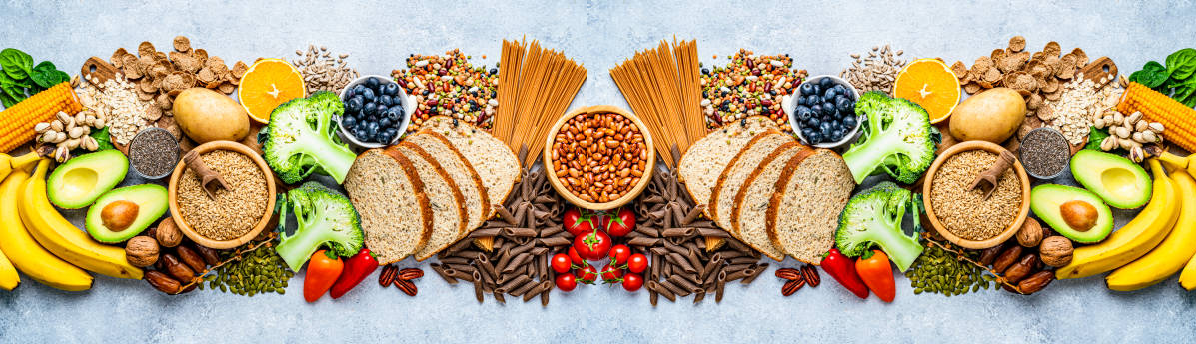
Food is Freedom
Food independence is Freedom from Fear
Fears can be used to control you, and a fundamental condition of being human is the fear of hunger. Relying solely on supply chains from industrialized production is proven to be a severe stressor on our economy and decision making. Increasing local production alleviates the impact of this and gives us the breathing room that aids in more prudent judgement.
The skills and work ethic practiced in a healthy work environment create great economic moment. Removing the negative incentive of hourly wages, which make profitable to the worker the craft of laziness, and giving them control over the capital that builds their future creates a natural reward structure for effort and personal development. By giving workers access to a broad range of tools and on the job education with them they will more easily find what best suits them individually and develop those skills knowing they will share in the profit generated by the growth of the business driven by their labor.
Additionally we serve as a food cultivation skill developer. We need more small local farmers to really become food independent, but starting a farm is a very difficult and risky business that carries very little reward in a market that already wastes massive amounts of food. Ecosystem Industries allows interested workers to develop those skills first, while also amassing capital gains that can pay for the land they need to start farming when they are ready. They will then have access to our exclusive market of locally produced whole foods, rather than having to compete with massive distributors.
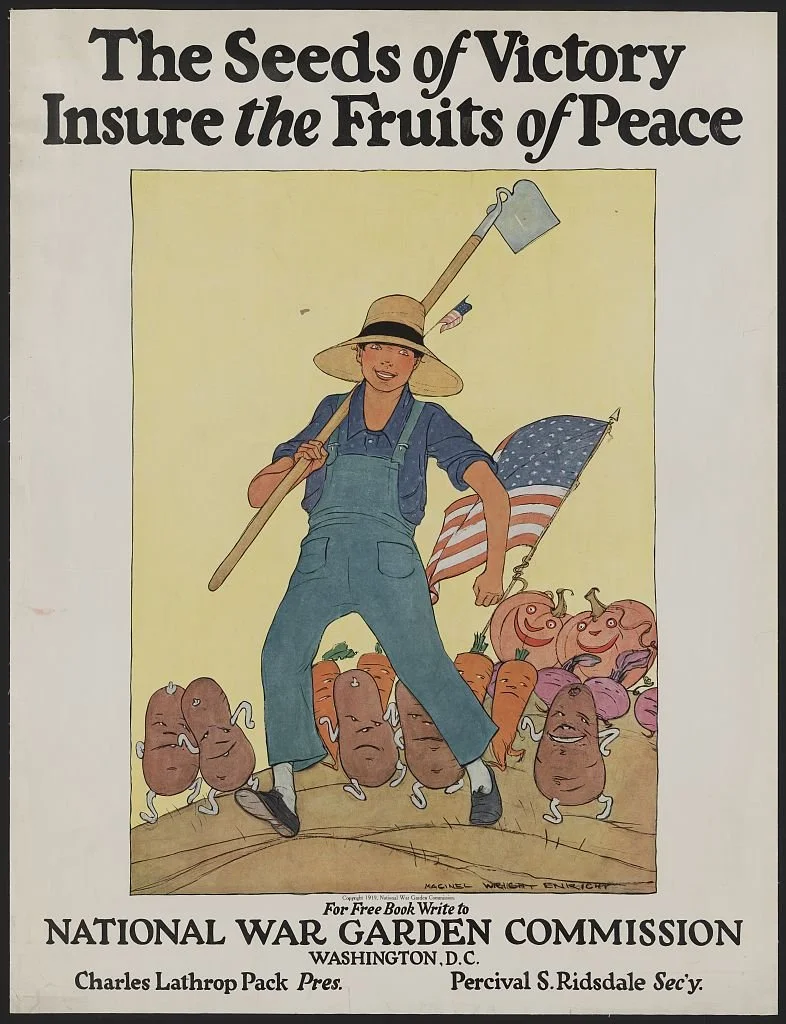
For homeowners, having the gardens established and producing is an insurance against the worst: Total food collapse. Home gardens alone cannot possibly feed everyone, but in the event of mass food shortage and the subsequent economic collapse it would cause to have something of fundamental value already growing on your land is invaluable. Leases will be written such that they can be broken by the homeowner at any time with no penalty, beyond any chosen agreement terms required to finance the establishment of the garden. Once it is paid for it is yours, but we can very easily produce far more than one household can use.
It becomes mutually profitable for us to tend a garden on a property the travel to which has already been covered by recurring services in exchange for a split of the food produced that we can then turn into prepared foods that wholly nourish you, initially to provide the calories that drive highly profitable labor. As we grow we aim to establish relationships with independent local restaurants already serving high quality nourishing foods and supply them with the best ingredients possible.
Food is Medicine
This isn’t woo-woo, it’s basic nutrition. Your body functions better when you give it the right nutrients, the natural mechanisms for “cleansing” your body are more effective and you feel better every day. Well prepared whole foods automatically provide us with everything we need not only to keep our bodies healthy, but the garden of bacteria in our gut that have a significant effect on the way we feel. Many things we require become difficult for the body to process in excess amounts, causing additional health problems avoidable with access to foods prepared with both nourishment and flavor as priorities.
Nobody is saying food will cure disease, but it can prevent it. Beyond making our bodies function better, wholesome nourishment makes you feel better at a fundamental level. This enhances the production of chemical neurotransmitters like dopamine and anandamide which play a pivotal role in personal wellbeing. General wellbeing reduces the incidence of many illnesses. In this way, the food we consume can be considered a form of medicine. Nothing magic about it, except the magic of the human body.
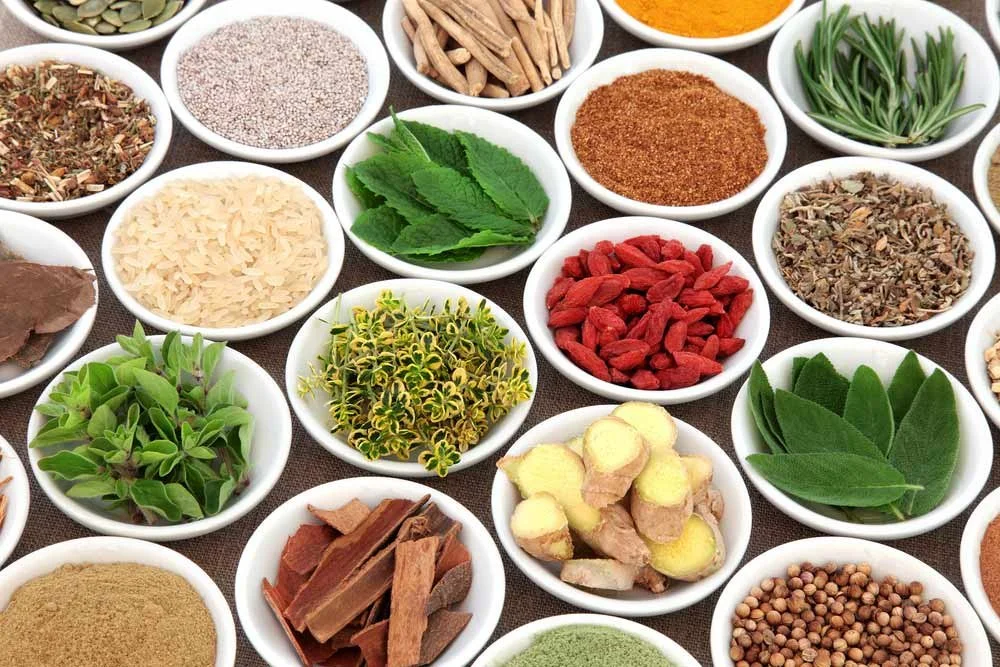
Beyond the basic function of wholesome nourishment in our wellbeing, many foods actually do carry trace amounts of medicinal compounds that have been proven to be able to treat certain illnesses. By including plants with known medical benefits into regular cooking with herbs and spices, your food could be literally healing you without you ever knowing you were going to be sick. It doesn’t prevent everything, but it can take some of the strain off our healthcare system.
Food that is wholly nourishing can be delicious and healthy, the only thing needed to make it cheap and plentiful is to train more people interested in culinary arts with the skills and knowledge to do so. Once trained and capable, they will innovate their craft and help us find new ways of producing, preparing, and distributing food to people leveraging the efficiency of a large and skilled work force.
Efficiency and Cost
This is not a replacement for large scale farming. The sheer volume of food produced in the United States is mind boggling. It is a testament to our ability that so many people are able to be fed by such a relatively small input of labor.
The cost of food is a fundamental pillar of the economy. However much a person requires to sustain themselves cannot be altered in any equation of compensation for their labor. Calories from food is the energy input of human work.
While minimizing this cost is a priority to increase available labor for technological and industrial growth, reducing the labor pool in food cultivation too much makes the people who work in non-agricultural sectors more vulnerable to disruptions in labor, transport, and energy.
Large scale farming has the benefit of scale efficiency, which is significant, at the cost of heavy reliance on fuel energy prices and massive logistics corporations. This scale efficiency can’t be done with every crop, and in many cases cost reduction is done by exploiting underpaid labor.
Ecosystem Industries automatically compensates labor with a fair share of the value, incentivizing maximum work efficiency without the detrimental effect of working under duress from threat or abuse. We significantly reduce supply chain costs by using existing transportation networks to houses that already pay for recurring services as a standard upkeep cost. Maintaining local distribution allows workers to apply specialized knowledge of their area to maximize their own effectiveness, and to build relationships with their neighbors who may be interested in passive value production from our use and maintenance of their land.